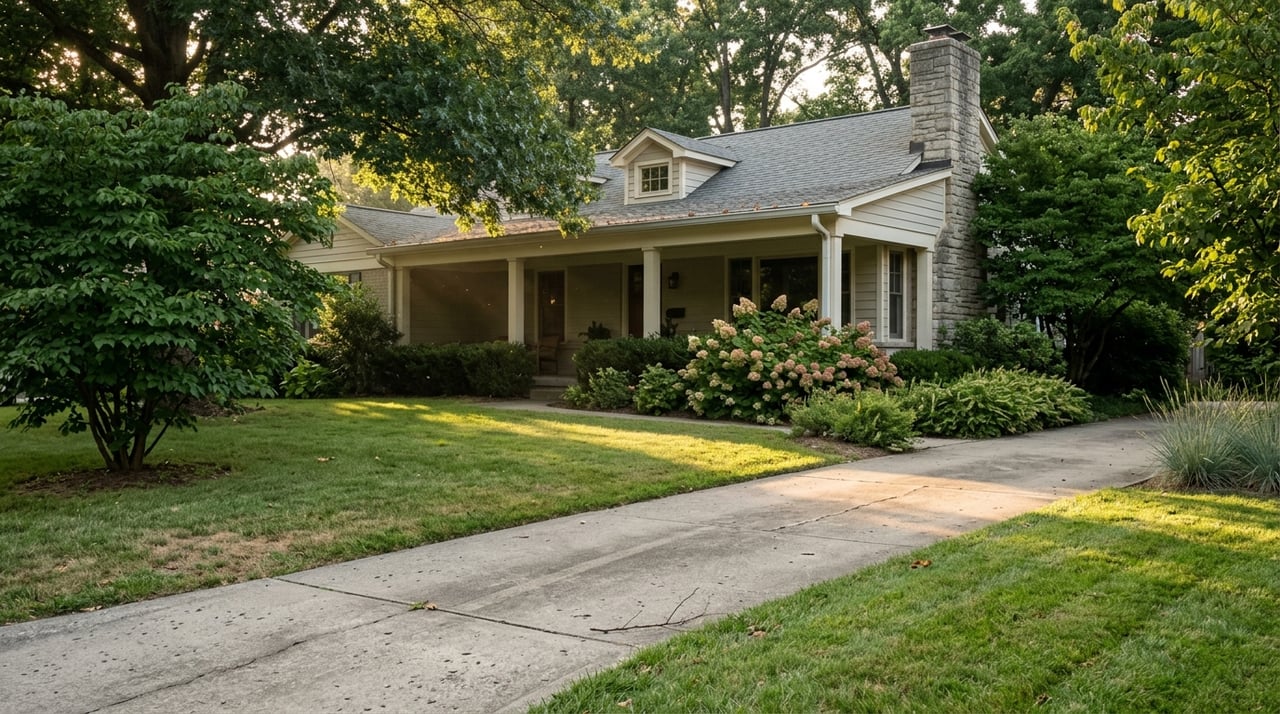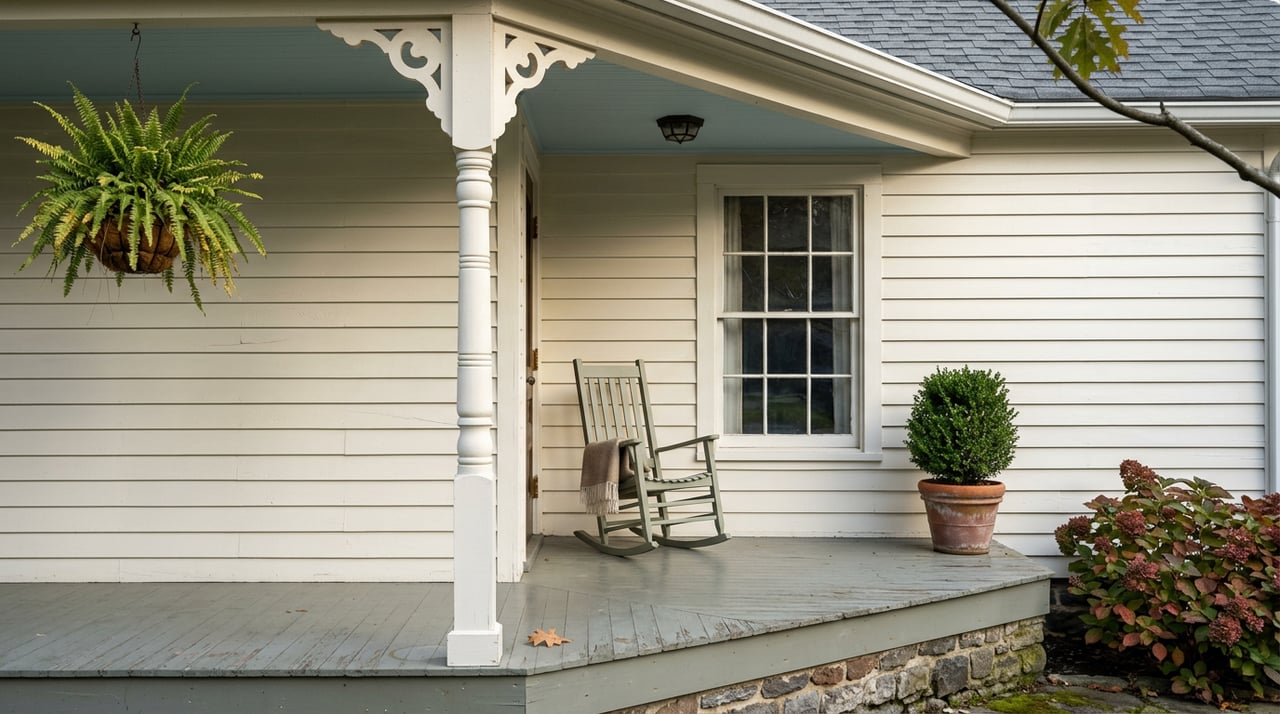
Ask most buyers what they think they are purchasing when they make an offer on a Eureka Springs inn, and they will describe the porch, the breakfast reviews, the antique furniture that conveys with the sale. Ask a city planner the same question and you get a different answer entirely. What actually changes hands in most of these deals is a permit, one of a shrinking, fixed number that the city stopped issuing to new applicants years ago. The building is real. The reviews are real. But the thing that makes the building legally allowed to host paying overnight guests is a piece of paper the city can, and does, actively police.
That distinction matters more in Eureka Springs than almost anywhere else in Northwest Arkansas, and it changes how a serious buyer should approach due diligence.
Why There Are Only About Two Dozen of These Left
In October 2021, the Eureka Springs City Council passed Ordinance 2311, which banned new tourist lodging permits across all three of the city's residential zones. The city's own historic preservation officer, Kylee Hevrdejs, had told council that of 476 short-term rental listings identified across platforms like Airbnb and Vrbo, 299 were unique properties, and roughly 248 of those could be single-family homes, many operating in neighborhoods never zoned for overnight lodging. Despite Eureka Springs being the top economic producer in Carroll County, city officials also reported it ranked low in local housing supply and income, a combination residents said was pushing workers out of town entirely.
The ordinance did not shut down every lodging in a residential zone. It grandfathered roughly two dozen properties that already held a valid conditional use permit and business license before the vote. Everyone else was cut off. New tourist lodging permits are now only available in commercial zones. A later ordinance, 2364, closed a remaining path by also banning new bed and breakfasts in residential zones, the kind of small, owner-occupied operation the city's own code had previously allowed.
City council member Melissa Green, who also serves on the planning commission and the advertising and promotion commission and owns several licensed tourist lodgings herself, described the surviving options this way when the ordinance passed: property owners can still apply for a conditional use permit to rent part of a home as a licensed bed and breakfast where the owner lives on site, or as a licensed stand-alone guest house, cottage, or cabin. Both paths existed before the ban. Neither is available to someone buying a home in a residential zone today who does not already hold that permit.
That is the scarcity. There is no waitlist, no lottery, no path to a new residential CUP at any price. The only way into that pool of roughly two dozen properties is to buy one of them.
What Grandfathered Actually Means at Closing
Here is where buyers tend to assume more than the ordinance promises. The rule as reported by the Eureka Springs Independent states that lodgings legally operating in residential zones before the ban took effect remain permitted, subject to the rules governing grandfathered conditional use permits should those properties be sold. That phrase, subject to rules, is doing real work. It does not say the permit transfers automatically with the deed. It says the transfer happens under conditions the city sets, which means a buyer's first call should not be to a contractor or an interior designer. It should be to the city, to confirm in writing that the specific CUP attached to that specific address is active, that the business license is current, and that there are no outstanding violations that could void it before the sale closes.
Hevrdejs has been explicit that her office actively monitors this. She and her staff routinely check reservation platforms, review property sale records, and follow up on citizen complaints, with violations carrying a fine of $250 for every 24-hour period an unpermitted lodging operates. A permit that looks settled on a listing sheet can be a live compliance question the moment ownership changes hands.
Three Paths to Legal Lodging in Eureka Springs Today
| Path | Where it applies | What it requires | Open to new buyers now |
|---|---|---|---|
| Grandfathered residential CUP | Existing homes in the city's residential zones | Valid CUP and business license in place before October 2021 | Only by purchasing one of the roughly two dozen existing properties |
| Owner-occupied bed and breakfast | Residential zones | Owner must live on site, conditional use permit required | No longer available to new applicants after Ordinance 2364 |
| Commercial lodging | Commercial-zoned property only | New CUP application through the city | Yes, this is the only path open to someone starting from zero |
The Historic District Adds a Second Approval Layer
Most of the inns, cottages, and lodges changing hands in Eureka Springs also sit inside the city's Historic District, which covers roughly the entire two square miles of the original city limits and has held National Register status since 1970. A second nomination in 2005 made it the only Nationally Significant historic district in Arkansas. That status means any exterior work on a lodging property, from a new roof to a repainted porch rail to a rebuilt deck, requires a Certificate of Appropriateness from the Historic District Commission before a building permit can even be issued.
The commission meets on the first and third Wednesday of each month, and there is no fee for the certificate itself, though the building permit that follows may carry one. Once approved, work has to be completed within 12 months, with one six-month extension available if the plan has not changed. Skip the certificate and do the work anyway, and the code treats it as a misdemeanor with fines up to $500 for every day the violation continues.
For a buyer planning to update rooms or add amenities before opening, this means the renovation timeline runs on two separate clocks: the CUP verification described above, and a completely independent historic review process that governs anything visible from the street.
What the Numbers Say About What You're Actually Buying
The Heartstone Inn, a long-running property on the Historic Loop with nine rooms and suites plus two cottages, has been listed at $2,125,000 after more than two decades of operation. Its listing describes cash flow over $200,000 while the inn is closed roughly three months of the year. Set that against a comparable historic home of similar size with no lodging permit attached, which could not legally take a single paying overnight guest in a residential zone under current code. The gap between those two values is not decor or reputation. It is the permit.
That is the practical version of the scarcity argument. When a city stops issuing new permits and caps the supply at roughly two dozen properties, the ones already licensed do not just keep their value. They absorb a premium that has nothing to do with thread count or breakfast menus and everything to do with legal permission to operate at all.
Arkansas's Disclosure Rules Won't Flag Any of This for You
Arkansas is a caveat emptor state. The Arkansas Real Estate Commission has confirmed there is no state law requiring a seller to disclose the condition of a property, and the same logic extends to permit status. The Arkansas Seller's Property Disclosure Form that most Realtors use is built around physical condition items like roofing, plumbing, and known hazards. It was not designed to answer whether a specific conditional use permit is current with the city or whether CAPC lodging taxes have been remitted on time.
That verification work falls to the buyer and the buyer's agent, not to a form the seller may or may not choose to complete. Before writing an offer on any Eureka Springs lodging property, it is worth confirming directly with the city that the CUP and business license tied to the address are active and in good standing, and that there is no pending compliance issue that could complicate the transfer.
A Few Questions Worth Asking Before You Make an Offer
Can I buy a historic home in a residential zone and convert it into a new bed and breakfast? No. Ordinance 2364 closed that path. New bed and breakfast permits are only available on commercial-zoned property.
If I buy a property with an existing tourist lodging permit, does it automatically continue under my name? Not automatically. The permit transfers subject to the city's rules for grandfathered CUPs, which is why verifying the permit's current standing before closing matters more than almost any other step in the transaction.
Does every lodging property in town fall under the Historic District's review rules? Most do, since the district covers roughly the entire original city limits, but not every commercial-zoned lodging property sits inside the boundary. Check the district map before assuming a renovation will need a Certificate of Appropriateness.
Buying a working inn in Eureka Springs is unlike buying almost any other kind of property in Carroll County, because the asset that carries the most value is the one you cannot see on a walkthrough. If you are weighing an offer on a bed and breakfast, cottage business, or small lodge in town, Coldwell Banker K-C Realty works this exact niche regularly, including through Executive Broker Kim Williams' specialty in lodging-oriented real estate. Contact Us before you write the offer, not after.